This company has no active jobs
0 Review
Rate This Company ( No reviews yet )

Zertifikat Kaufen
(0)About Us
The 10 Most Dismal B1 German Certificate FAILURES Of All Time Could Have Been Prevented
Navigating the B1 German Certificate: A Comprehensive Guide
As globalization continues to cultivate intercultural connections, the desire to learn brand-new languages has actually never been more significant. Amongst these, German stick out due to its economic power and rich cultural heritage. The B1 German Certificate is a critical milestone for anybody aspiring to enhance their German language proficiency, particularly for academic and professional pursuits. In this post, we will check out whatever you require to know about the B1 German Certificate, including its function, structure, preparation tips, and responses to common concerns.
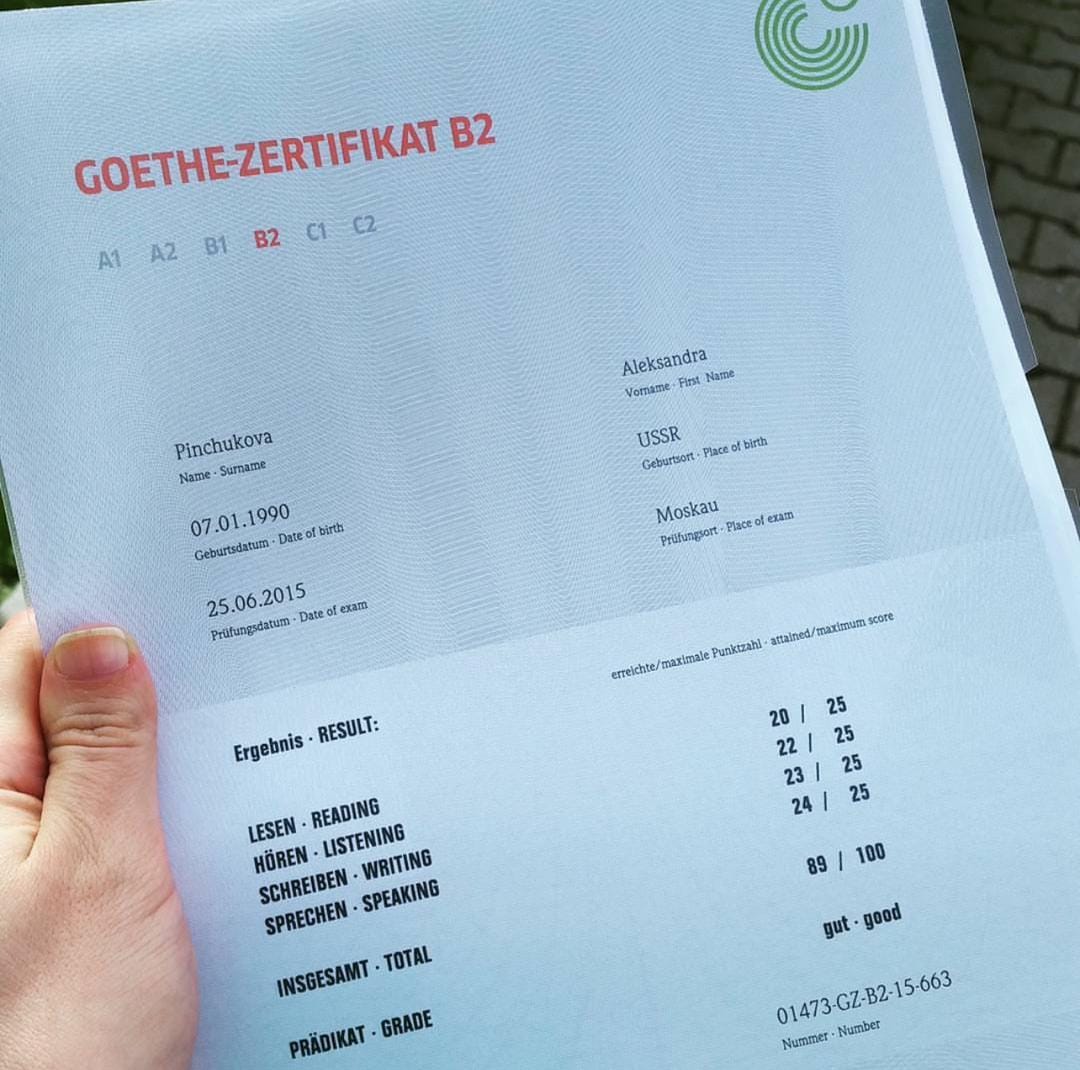
What is the B1 German Certificate?
The B1 German Certificate becomes part of the Common European Framework of Reference for Languages (CEFR), which categorizes language proficiency into six levels: A1, A2, B1, B2, C1, and C2. The B1 level is considered the intermediate level where students can:
- Understand the bottom lines of clear basic input on familiar matters.
- Handle most situations that might occur while traveling in a German-speaking location.
- Produce basic linked text on subjects that are familiar or of individual interest.
- Describe experiences, events, dreams, and aspirations, as well as briefly discuss reasons and opinions.
Accomplishing a B1 Certificate symbolizes a solid grasp of the German language and serves as a requirement for higher-level examinations, such as B2 and C1.
Structure of the B1 Examination
Comprehending the assessment structure is crucial for reliable preparation. The B1 Certificate consists of four crucial parts, each designed to assess different language abilities. Below is a tabular representation of these elements:
| Component | Period | Description | Overall Marks |
|---|---|---|---|
| Listening Comprehension | 30 minutes | Prospects listen to recorded discussions and answer questions. | 25 Marks |
| Checking out Comprehension | 60 minutes | Involves reading texts and addressing related concerns. | 25 Marks |
| Composing | 60 minutes | Candidates compose a brief essay and complete forms or letters. | 25 Marks |
| Speaking | 15 minutes | A face-to-face conversation with an inspector, including a monologue and dialogue. | 25 Marks |
| Total | 165 minutes | All elements combined, with an optimum total of 100 marks. | 100 Marks |
Scoring System
To pass the B1 Sprachzertifikat German assessment, candidates typically need to score at least 60% total, with a minimum of 50% in each component. This requirement makes sure a well balanced proficiency in reading, writing, listening, and speaking.
Preparing for the B1 Exam
Preparation for the B1 German Certificate needs a structured method. Here are some reliable strategies:
1. Understand the Format
Familiarize yourself with the test format, kinds of concerns, and timing restrictions. Practice previous papers to develop comfort and self-confidence.
2. Build Vocabulary
Broadening your vocabulary is important for the B1 level. Focus on themes appropriate to everyday life, work, and travel. Keep a vocabulary journal and include new words frequently.
3. Participate in Listening
Listen to German radio, podcasts, and music to improve your listening abilities. Attempt to understand various accents and speeds of speaking, as these will be reflected in the exam.
4. Practice Speaking
Routine conversation practice with native speakers or fellow learners is invaluable. Join language exchange groups or discussion clubs, where you can practice speaking and get feedback.
5. Reading Comprehension
Read German newspapers, novels, and online articles to improve reading abilities. Concentrate on comprehending the main points as well as information appropriate to the context.
6. Composing Skills
Practice writing essays, e-mails, and letters. Solicit feedback from teachers or language partners to improve your writing design and grammatical accuracy.
7. Take a Course
Consider registering in an intensive language course, either in-person or online, tailored to B1 exam preparation. A structured curriculum can accelerate your development.
Typical FAQs
1. What institutions provide the B1 German Certificate?
Various organizations offer the Zertifikat B1 Deutsch German Certificate, including the Goethe-Institut, Telc B1 Prüfung Preis (The European Language Certificates), and TestDaF. It is necessary to pick an acknowledged supplier.
2. For how long does it take to get ready for the B1 exam?
Preparation time depends upon your existing proficiency and study practices. Typically, students might require 6-12 months for effective preparation at the B1 level.
3. What materials should I use for preparation?
Make use of books, online resources, and language apps specifically created for Deutsch Zertifikat B1 level students. Some recommended materials consist of the “Sicher!” series and “Aspekte neu.”
4. Can I take the exam online?
Some institutions offer options for taking the exam online, while others perform it in-person. Verify the format with your picked institution.
5. Is the B1 German Certificate valid forever?
Language certificates do not end, however some institutions might advise retaking the exam after a certain duration to guarantee proficiency is preserved.
The B1 German Certificate is an important stepping stone for students aiming to achieve fluency in German. With its balanced focus on reading, writing, listening, and speaking, attaining this certificate validates a student’s intermediate proficiency and opens doors to more innovative studies or profession chances in German-speaking environments.
By following structured preparation techniques and engaging with the language routinely, learners can approach the B1 assessment with self-confidence. Whether for personal satisfaction or professional improvement, passing the B1 German Certificate is undoubtedly a notable achievement on the journey to mastering the German language.